

The Epistle of James was most probably written by James, the brother of Jesus. Though he had initially rejected the ministry of Christ, he later experienced a change of heart and rose to become the supreme leader of the Church in Jerusalem. James was respected for his devotion, wisdom, and prayerful life, and he became a key figure in leading the early Christian community during its formative years.
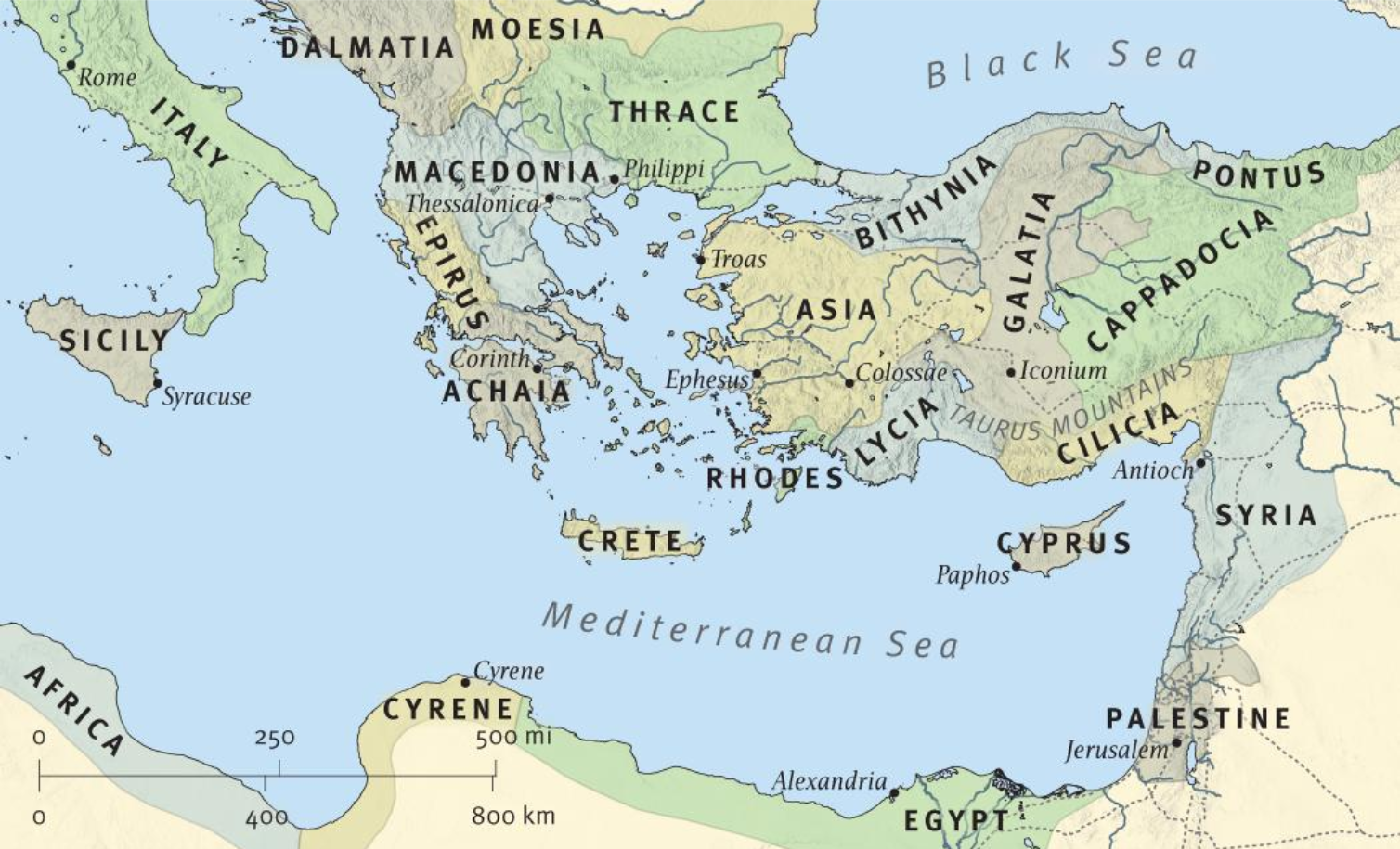
James wrote at a time when the church in Jerusalem was under immense pressure. Believers of Jewish descent, many of whom had accepted Jesus as the Messiah, were scattered across different regions due to persecution. They faced hostility from both the wider Roman world and from some within their own Jewish communities. James’s letter addresses these scattered believers, urging them to stay strong in their faith and to live it out in practical ways, even in the face of trials.
Unlike Paul’s letters, which often explain theological truths about salvation, James’s letter is more like a manual for Christian living. This is why it is often described as the proverbs of the New Testament. It provides practical guidance for daily life—calling believers to demonstrate faith through endurance in suffering, care for the poor, control of the tongue, and integrity in all things.
The Epistle of Straw
It is worth noting that the Reformationist Martin Luther (who compiled the modern-day Bible as we know it today) questioned the veracity of this letter and even referred to it as an “Epistle of Straw,” because he felt it lacked emphasis on grace and placed too much weight on works of faith. Just as he placed the books of the Apocrypha at the end of his Old Testament translation, he also moved James towards the end of his New Testament translation, along with other writings he considered contentious. His hesitation arose largely because of James’s strong emphasis on works alongside faith, which he feared conflicted with the doctrine of justification by faith alone.
Nonetheless, the content of this epistle is worth discussing as it serves as a valuable supplement to Scripture, calling us to examine ourselves honestly, to recognise where we fall short, in our walk with God. James reminds us that our walk with God is not about empty profession but about living in a way that reflects the character of Christ in every aspect of life. In this sense, the letter becomes a mirror—revealing not only the weakness of our faith but also pointing us towards a more steadfast walk with God.
We will explore the themes James addresses and compare them with Christ’s teachings, learning from where we fall short in our faith but also critiquing them in light of our maturity in Him.
Discussion Topics
- Trials and Perseverance: James 1:1–18; 5:7–12
- Faith in Action: James 1:19–25; 2:14–26
- Wisdom from God: James 1:26–27; 3:1–18
- Worldly Blessings: James 2:1–13; 4:13–17; 5:1–6
- Submit Yourself to God: James 4:1–12; 5:13–20



 The Jordan Valley
Reply