

In only two prior instances was the wrath of God revealed to us by the biblical authors, albeit on a limited scale. The first occurrence took place during the days of Noah when God unleashed a catastrophic flood, and the second unfolded with the destruction of the twin cities of Sodom and Gomorrah through a deluge of sulfur. As John’s visions were getting closer to the final Day of the Lord, he witnessed the seven last plagues that would complete the cycle of God’s wrath for all creation.
While Jesus’s death on the cross bridged the gap between us and our Father by shedding His blood as an atonement for our sins, our rejection of His sacrifice nullifies our salvation. As a result, those who do not accept this provision from God are left out in the open to bear the consequences of their sins. They will experience the wrath of God far greater than the great flood or the sulfuric rain.
And I saw what looked like a sea of glass glowing with fire and, standing beside the sea, those who had been victorious over the beast and its image and over the number of its name.
Revelation 15:2 (NIV)
The sea of glass has been described earlier in John’s vision as the floor of the throne room in heaven. The image of God’s people standing at the seashore, singing His praises in heaven could mean that this sea of glass that is glowing with fire is a chasm between heaven and hell. The victorious are standing on the shore that separates water from land, perhaps signifying that they have been separated from the darkness that has engulfed the rest of the inhabitants of the earth. They were given harps by God and they proceeded to sing the song of Moses and the Lamb.
Moses symbolized the ancient covenant while Jesus embodied the contemporary covenant. They were also the representatives of the old and the new exodus. Moses led the people of God out of Egypt and out of the slavery of Pharaoh and the lamb freed us from the bondage of our sins. When the Israelites reached the shores of the Red Sea, God delivered them from the pursuing monster they had left behind. Similarly, the victorious journeyed towards the shores of the Sea of Glass, as God was ready to vanquish yet another long-standing tormentor of His people.
And the temple was filled with smoke from the glory of God and from his power, and no one could enter the temple until the seven plagues of the seven angels were completed.
Revelation 15:8 (NIV)
When God descended on top of Mount Sinai and called Moses up to give him the commandments, the entire mountain was engulfed by smoke (Exodus 19:18). In the writings of the prophets, smoke usually symbolises God’s glorious presence in His sanctuary. The smoke also served as a reminder for the Israelites to not come near to the mountain when God’s presence was upon it and in the same way a warning for the victorious to stay outside the temple till the time God carried out His judgements. Additionally, perhaps the victorious followers of the lamb were to remain outside the temple along the shore of the sea of glass so that they may witness the promised judgment of the LORD.
The Seven Plagues
Then John heard a loud voice from inside the temple commanding the seven angels to pour out their bowls filled with God’s wrath on the earth. The subsequent plagues that follow are a callback to the plagues in Egypt during the captivity of God’s people by the serpent king, Pharaoh. The seven bowls of plagues also replicated in part, the plagues that followed the blowing of the seven trumpets. If we look closely we will observe that God’s wrath is undoing the works of His creation. Land and waters are brought together, darkness fills the land and lives are destroyed.
As the first bowl is poured on the earth, painful and malignant sores afflict those who have the mark of the beast and worship his image. When the second angel poured out his bowl the sea turned into blood, resulting in the death of every creature of the sea. The destruction of the sea by the second angel not only reverses day four of God’s creation but symbolises the destruction of all the sea creatures, the demon forces that were determined to corrupt His creation. The third bowl causes the rivers and springs of water to turn into blood, signifying God’s judgment upon those who have shed the blood of His saints and prophets, the people of the earth who did not have the Seal of the Living God.
Then I heard the angel in charge of the waters say: “You are just in these judgments, O Holy One, you who are and who were; for they have shed the blood of your holy people and your prophets, and you have given them blood to drink as they deserve.”
Revelation 16:5-6 (NIV)
The pouring of the fourth bowl brings intense heat and scorching upon the sun, causing great distress and anguish to the people of the earth as they start cursing God. Yet even in their anguish, they neither are willing to give glory to God nor repent for their sins. The fifth bowl destroys the stronghold of the evil forces on earth by plunging the kingdom of the beast into darkness and filling it with pain and torment. In their agony, the people continually curse God and even gnaw off their own tongues to keep themselves from repenting for their sins.
Even after enduring excruciating pain and indescribable suffering, the people’s hearts remained hardened by their hatred for God. They were more inclined to harm themselves than to offer the Creator the glory He deserved. The people who followed the beast have descended further into their rebellion. They know that their time for repentance is over, and instead of seeking God’s grace, they are inciting His fury. Their hearts were never with God, even when their deeds were trying to emulate the actions of a person walking in the light.
The sixth angel poured out his bowl upon the mighty river Euphrates, causing its waters to desiccate, making way for the arrival of the kings from the distant East. Then there emerged three unclean spirits resembling frogs. They emerged from the mouths of the dragon, the beast, and the false prophet. These are demonic spirits that perform supernatural wonders, seeking to rally the kings of the entire world, with the intent of amassing them for the ultimate battle on the great day of the LORD.
The fourth river emerging from the waters of the Garden of Eden flows towards the east and is called the Euphrates. Additionally, there is a pattern wherein the people who left God’s presence headed eastward. That was the direction Adam and Eve went when they were banished from the Garden, and then their son Cain headed further east after murdering his brother. The people who started building the Tower of Babel did so after they had moved eastward. Lot left Abraham and went eastwards until he landed near the twin reprobate cities of Sodom and Gomorrah.
It seems that whenever someone revolted against God or disobeyed His commands, they inevitably ended up moving eastward. This pattern did not start with Adam and Eve, as we know that the fallen angels were the first to revolt against the Almighty One. If East is symbolic of being banished from the presence of the LORD, then satan and the other fallen angels have made this place their home long before mankind walked on the face of the earth. So, the kings coming out of the east are the fallen stars that have given their allegiance to the dragon and the beast and will join forces for one last battle with the Lamb and His army.
“Look, I come like a thief! Blessed is the one who stays awake and remains clothed, so as not to go naked and be shamefully exposed.”
Revelation 16:15-16 (NIV)
Then they gathered the kings together to the place that in Hebrew is called Armageddon.
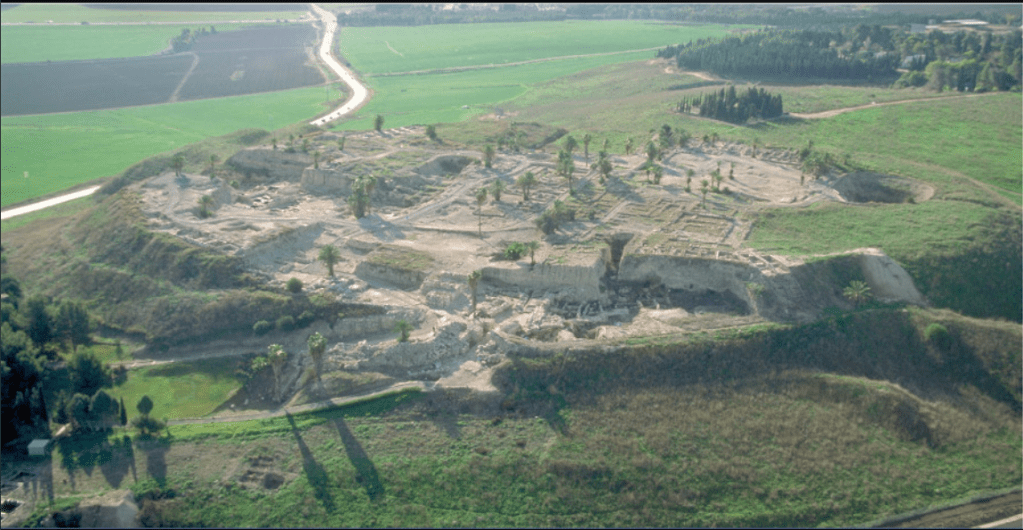
Armageddon, or the Mount of Megiddo, was a flat-topped mountain (like the one in the above photo) that was north of Jerusalem. If Jerusalem is symbolic of the kingdom of Heaven, then Mt. Megiddo is the battlefield right outside the walls of the city as the enemy makes a last-ditch effort to penetrate into the kingdom of God. The River Euphrates might be symbolic of the chasm that divides heaven and hell, which has kept these forces at bay until the final day of the LORD.
It is Done
The angel poured out the seventh bowl into the air, and a mighty voice resonated from the throne in the temple, proclaiming, “It is done!” Suddenly, there were dazzling flashes of lightning, deafening rumblings of thunder, and a violent earthquake that shook the earth like never before. The once great city was torn asunder, splitting into three parts while other cities of the nations crumbled in devastation.
The great city split into three parts, and the cities of the nations collapsed. God remembered Babylon the Great and gave her the cup filled with the wine of the fury of his wrath.
Revelation 16:19 (NIV)
Islands vanished into the depths, and even the steadfast mountains disappeared without a trace. From above, gigantic hailstones, weighing approximately a hundred pounds each, rained down upon the people. With the burden of this dreadful plague, they turned to cursing God, deeply horrified by its devastating impact. Thus, with the pouring out of the seven bowls, the seven days of creation were reversed, as the land was swallowed by the sea and darkness encompassed the whole world. Yet the people did not give God the glory as they persisted in their allegiance to the beast.
Discussion Questions
- Did God’s wrath not subside by Jesus’s death on the cross?
- Why are the people who are victorious over the beast standing on the seashore singing praises of the God of heavens?
- Who are the kings of the east of the river Euphrates?
- Why did the people not repent even after witnessing such disastrous consequences for their sins?


 The Jordan Valley
Reply